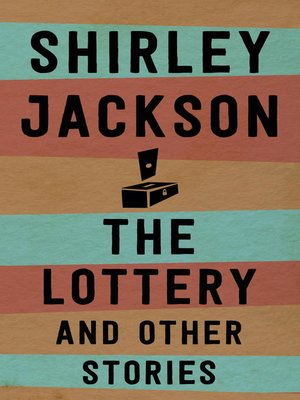
The Lottery Summary
Shirley Jackson • Horror fiction
The Lottery Summary: Book, Characters, and Analysis by Shirley Jackson
The Lottery by Shirley Jackson is a chilling short story that exposes the dangers of blind tradition and collective violence hidden beneath the surface of ordinary life. First published in 1948 in the New Yorker magazine, the story shocked readers with its stark portrayal of a seemingly peaceful community engaging in a ritual of brutal conformity, and the magazine played a key role in bringing the story to public attention.
This article provides an in-depth book summary, a focused overview of the characters, and a critical analysis of The Lottery, highlighting its themes, symbolism, and enduring relevance.
Introduction to the Story
Shirley Jackson’s “The Lottery” stands as a landmark short story in American literature, renowned for its unsettling exploration of human nature and the perils of blind tradition. Set in an unnamed village, the narrative unfolds on a seemingly ordinary summer day as the entire community gathers for the annual event known as the lottery. At the heart of the story is the Hutchinson family, with Tessie Hutchinson emerging as a central figure whose fate shocks both the villagers and readers alike.
Published in 1948, just after World War II, Jackson’s story taps into the anxieties of a world grappling with the aftermath of mass violence and the consequences of conformity. The villagers’ unquestioning participation in the lottery reveals how mob mentality can override individual morality, leading to horrific acts justified by tradition. Through the lens of this small town, Jackson exposes the dark undercurrents that can exist beneath the surface of any community, challenging readers to consider just what people are capable of when they follow rituals without question.
As we delve deeper into the story, the chilling normalcy of the annual event and the villagers’ casual acceptance of its outcome force us to confront uncomfortable truths about family, society, and the human capacity for cruelty. “The Lottery” remains a powerful reflection on the dangers of conformity and the enduring impact of tradition in shaping our actions.
Book Summary of The Lottery by Shirley Jackson
This is a plot summary of "The Lottery." The story takes place in a small rural village, where all the villagers gather in the village square at ten o'clock on a warm June morning for the annual lottery. The event is a central part of village life, and the villagers anticipate returning home for their noon dinner after the ritual. Children, including Bobby Martin and Harry Jones, collect a few pebbles and stones, foreshadowing the story’s dark turn. The young people’s involvement highlights how tradition is perpetuated across generations.
Mr. Summers, who organizes community events like square dances and the Halloween program, oversees the lottery. The black box used for the drawing is kept at his coal company. As the event begins, Steve Adams is among the first to draw, and Adams tells others about the process. Summers prepares the slips of paper, instructs the villagers on the rules, tells them when to open their slips, and asks questions about family roles to ensure the ritual is followed correctly.
Each family member draws for their household, with the head of each family—sometimes a wife for her husband’s family, or daughters who draw with their husband’s families—participating. When the Watsons are called, the Watson boy, Jack Watson, draws for his family. If a man is absent, as with Clyde Dunbar who has a broken leg, his wife, Mrs. Dunbar, draws in his place. The formal process is observed by all the villagers and other villagers, reinforcing the collective conformity and the idea that everyone has the same chance of being chosen.
The drawing is tense, as one slip will determine the fate of a family. When the Hutchinson household is selected, a second drawing is held among its members: Bill Jr., Nancy Hutchinson, and little Dave—the three children—along with their parents. Little Dave, the youngest, is depicted as innocent and unaware of the ritual’s meaning. The black mark on the slip signifies the chosen victim.
Tessie Hutchinson protests the outcome, but someone urges her to be a good sport. As all the villagers, including other villagers and even her own family, close in, Tessie screams in protest. The ritual is justified by an old saying that a lottery ensures a good harvest, and the villagers cite this as a reason to continue, even as other towns and the north village have stopped or considered stopping the lottery. The story also touches on other aspects of tradition, such as its impact on social structure, human nature, and the normalization of violence. The involvement of young people ensures the ritual’s continuation, and the story ends with the community’s unquestioning adherence to a brutal tradition.
Characters in The Lottery by Shirley Jackson
Tessie Hutchinson
The central figure and eventual victim of the lottery. Tessie initially treats the event casually but becomes vocal and desperate once she is selected. Her shift highlights the self-serving nature of moral outrage when personal safety is threatened.
Mr. Summers
The organizer of the lottery. He represents institutional authority and the bureaucratic enforcement of tradition. His casual demeanor contrasts sharply with the violence of the ritual.
Mr. Graves
Mr. Summers’ assistant, whose name symbolizes death. He helps administer the lottery and reinforces its legitimacy.
Bill Hutchinson
Tessie’s husband, who follows the rules without protest. His compliance underscores how family bonds are overridden by social conformity.
The Villagers
A collective character representing society as a whole. Their passive acceptance and participation illustrate how communities normalize violence through tradition.
Analysis of The Lottery by Shirley Jackson
Major Themes
The Danger of Blind Tradition
The story’s central theme is the unquestioned acceptance of tradition. The villagers continue the lottery simply because it has always existed, without understanding or challenging its purpose.
Conformity and Social Pressure
Individual morality is suppressed by communal expectation. Those who question the lottery are ignored or silenced, revealing how fear of isolation enforces obedience.
Violence Beneath Ordinary Life
Jackson exposes how cruelty can exist within normal, even pleasant, social settings. The peaceful village setting heightens the shock of the story’s ending.
Scapegoating
The lottery functions as a ritualized form of scapegoating, where violence is directed at a randomly chosen individual to maintain social order.
Symbolism and Literary Devices
- The Black Box symbolizes outdated traditions that persist despite their decay.
- Stones represent primitive violence and collective responsibility.
- Names such as Graves and Summers carry ironic and symbolic weight.
- Irony is central to the story, particularly the contrast between the word “lottery” and its deadly outcome.
Jackson’s restrained, objective narration intensifies the horror by refusing to guide the reader’s emotional response.
Literary Significance
“The Lottery” by Shirley Jackson is widely regarded as one of the most influential short stories in American literature, and its literary significance has only grown since its publication in the wake of World War II. Jackson’s story masterfully exposes the dangers of blind tradition and mob mentality, using the seemingly mundane ritual of the lottery to comment on the darker aspects of human nature. The black box, battered and old, becomes a potent symbol of the community’s unwavering commitment to outdated customs, while the slips of paper represent the randomness and arbitrariness of fate.
Old Man Warner, who boasts of having participated in seventy-seven lotteries, embodies the voice of tradition and the resistance to change. His presence in the story highlights how the weight of history and the fear of breaking with the past can perpetuate horrific acts, even when their original purpose has been forgotten. The climactic stoning of Tessie Hutchinson is a shocking and unforgettable moment, serving as a powerful critique of how ordinary people can become complicit in violence when swept up by the collective will.
Jackson’s use of irony, symbolism, and understated prose invites readers to question not only the events of the story but also the broader implications for society. “The Lottery” continues to resonate with audiences, prompting discussions about conformity, authority, and the consequences of unexamined beliefs. Its enduring relevance and ability to provoke thought make it a cornerstone of literary analysis and a testament to Jackson’s skill as a writer.
Author Background and Historical Context
Shirley Jackson was an American writer known for exploring psychological horror and social critique. Jackson's story, The Lottery, is a landmark in American literature and was published in the aftermath of World War II, a period marked by reflection on mass violence, obedience to authority, and the consequences of conformity. The story reflects anxieties about how ordinary people can become complicit in systems of cruelty, drawing clear parallels to the collective violence and scapegoating seen in Nazi Germany.
Upon its publication in 1948, Jackson's story provoked a strong public reaction, resulting in a large volume of hate mail sent to the author, as readers were shocked and disturbed by its themes and ending. The influence of The Lottery can be seen in other stories with similar themes, such as Borges' The Lottery in Babylon and Le Guin's The Ones Who Walk Away from Omelas, which also explore ritual, societal obedience, and the dangers of moral blindness.
The Lottery by Shirley Jackson: Impact and Legacy
The Lottery remains one of the most widely read and discussed short stories in American literature. Its controversial reception sparked public outrage upon publication, and it continues to be taught as a powerful warning against unexamined traditions and collective violence.
Who Should Read The Lottery by Shirley Jackson
- Readers interested in psychological and social horror
- Students studying American literature
- Those exploring themes of conformity, tradition, and morality
- Anyone interested in short fiction with lasting cultural impact
Level up your reading with Peech
Boost your productivity and absorb knowledge faster than ever.
Start now